Latest Social Media Trends for 2026 You Should Know
Discover the latest social media trends for 2026, including AI content, short videos, influencer marketing, social commerce, and privacy-focused strategies.
 W3signal
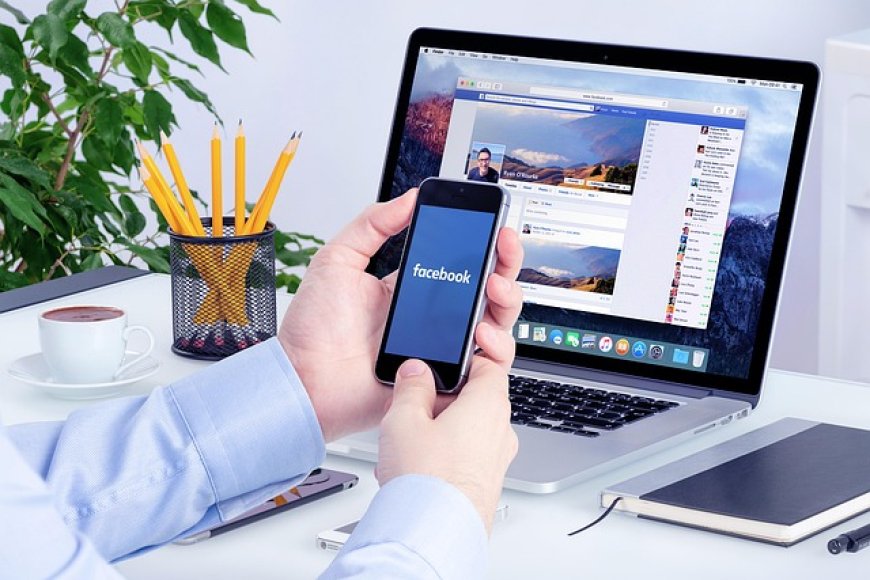
Social media continues to evolve rapidly, shaping how people communicate, consume content, and do business. In 2026, platforms are becoming more intelligent, commerce-driven, and community-focused than ever before. For brands, creators, and marketers, staying updated with the latest social media trends is essential to remain relevant and competitive. This article explores the key social media trends for 2026 that you should know and follow.
1. AI-Driven Content Creation and Personalization
Artificial Intelligence is playing a major role in social media growth. Platforms now use AI to personalize feeds, recommend content, and optimize ads.
How AI is transforming social media:
-
AI-generated captions, images, and videos
-
Smart content recommendations
-
Automated customer replies via chatbots
-
Better ad targeting and performance
AI helps brands save time while delivering more relevant content to users.
2. Short-Form Video Continues to Dominate
Short-form videos remain the most engaging content format in 2026. Platforms prioritize quick, visually appealing videos that capture attention within seconds.
Popular uses of short videos:
-
Product demos
-
Educational tips
-
Storytelling and behind-the-scenes content
-
Promotions and offers
Video-first strategies are now essential for growth.
3. Social Media as a Shopping Platform
Social commerce is growing fast. Users can now discover, review, and purchase products directly within social media apps.
Key features driving social commerce:
-
In-app checkout
-
Product tagging
-
Live shopping events
-
Influencer-led product reviews
Social media is becoming a complete sales funnel.
4. Rise of Micro and Nano Influencers
Brands are shifting from celebrity influencers to micro and nano influencers who have smaller but highly engaged audiences.
Why they perform better:
-
Higher trust and authenticity
-
Better engagement rates
-
Cost-effective campaigns
-
Niche-focused audiences
Influencer marketing in 2026 is more relationship-based than promotional.
5. Community-Based Content and Private Groups
Public feeds are becoming crowded, leading users to prefer private communities, groups, and close-circle content.
Popular formats include:
-
Private groups and channels
-
Broadcast lists
-
Subscriber-only content
Communities build loyalty and deeper engagement.
6. User-Generated Content (UGC) for Trust Building
UGC continues to be one of the most powerful tools for brand credibility. Real customer content influences buying decisions more than ads.
UGC includes:
-
Reviews and testimonials
-
Customer photos and videos
-
Reposts and brand mentions
UGC boosts trust and conversions.
7. Authentic and Unfiltered Content
Users prefer real, relatable content over overly polished posts. Authentic storytelling performs better than perfect visuals.
Brands are focusing on:
-
Honest experiences
-
Real-life challenges
-
Behind-the-scenes moments
Transparency builds stronger connections.
8. Voice, Audio, and Conversational Content
Voice search, podcasts, and audio-based content are gaining popularity. Social platforms are integrating voice features for accessibility and engagement.
Audio content helps reach multitasking users.
9. Strong Focus on Data Privacy and Transparency
With stricter regulations, platforms and brands must prioritize user privacy.
Trends include:
-
Transparent data usage
-
Consent-based marketing
-
Secure communication
Trust is becoming a competitive advantage.
10. Performance-Based Social Media Marketing
In 2026, businesses focus more on measurable results like leads, sales, and ROI rather than likes and followers.
Key metrics include:
-
Conversion rate
-
Engagement quality
-
Return on ad spend
Data-driven strategies outperform guesswork.
Conclusion
The latest social media trends for 2026 highlight a shift toward AI-powered personalization, video-first content, social commerce, authenticity, and community building. Brands and creators who adapt to these trends can grow faster, build trust, and achieve better results in an increasingly competitive digital environment.